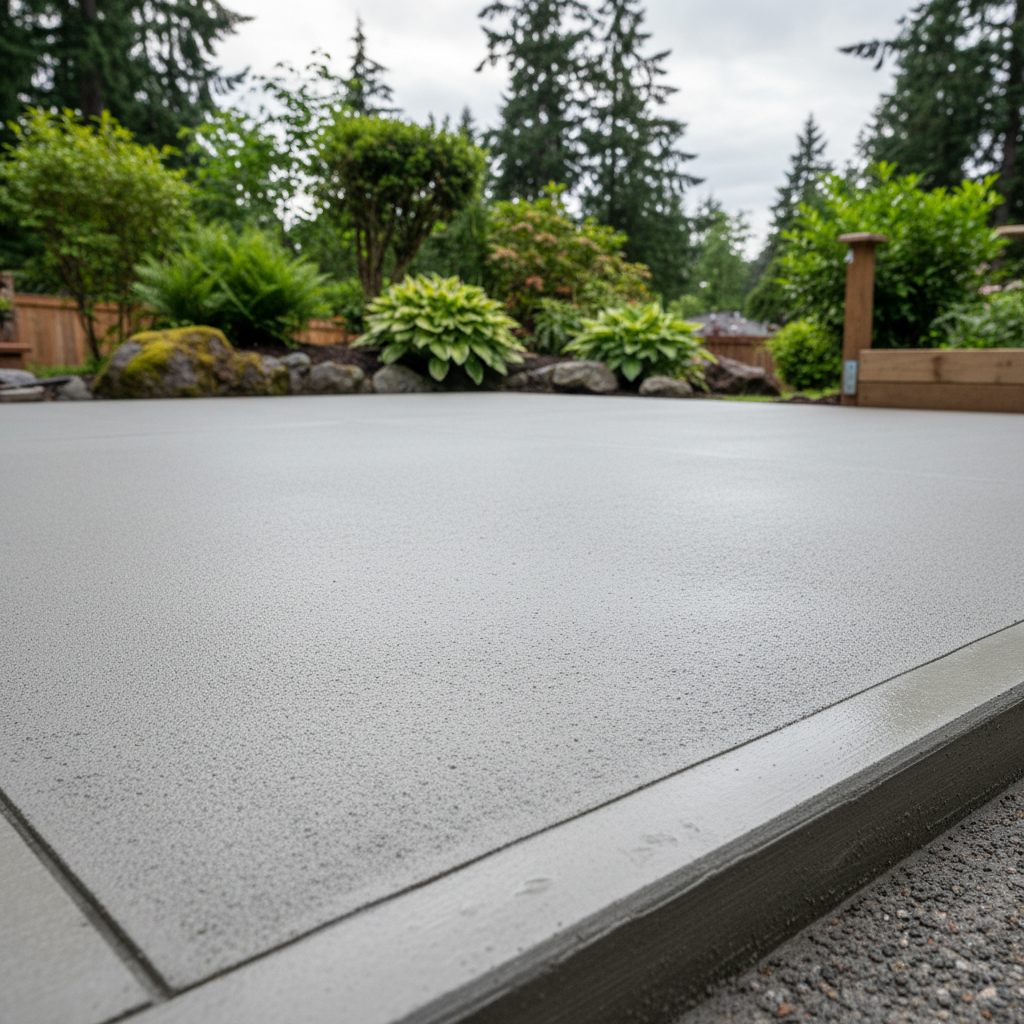
You're probably here because you're thinking about a new concrete patio, or maybe you're looking to spruce up an old one. Smart move. A well-built patio can seriously change how you use your outdoor space, especially around Bothell where we get those gorgeous, but sometimes pretty wet, shoulder seasons. I get a lot of questions about patios, and I've noticed a few pop up more than others. So, let's just dive right in.
How long does a concrete patio actually last?
This is a big one, and the honest answer is: it depends. A properly installed concrete patio, done right from the ground up, can easily last 20 to 30 years, sometimes even longer. I've personally seen patios still looking good after 40 years, believe it or not. The key, truly, is in the preparation. If the sub-base isn't compacted correctly, or if the concrete mix isn't right for our climate – like needing a good air-entrainment for Bothell's freeze-thaw cycles – you're going to see problems a lot sooner. Think cracking, spalling, or uneven settling. It's not just about pouring concrete; it's about building a solid foundation for it. Regular sealing also plays a huge role in extending its life, protecting it from moisture and UV damage.
What's the real difference between plain concrete and decorative options like stamped or colored?
Functionally, not much at all. Structurally, they're the same concrete. The difference is all about how it looks and what it costs. Plain concrete is just that – a basic, gray slab. It's durable, it gets the job done, and it's definitely the most budget-friendly option. Decorative concrete, whether it's stamped to look like stone or brick, or colored with integral pigments or stains, is about making it look better. You're paying for the extra labor, materials, and skill it takes to create those patterns and colors. It's kind of like buying a basic sedan versus one with all the bells and whistles. Both will get you where you're going, but one just looks a lot nicer doing it. For many homes in areas like Waynita, where people put a lot of effort into curb appeal, decorative concrete is a popular choice because it just elevates the whole outdoor living area.
Will my concrete patio crack? And what can I do about it?
Look, concrete cracks. It's not a matter of if, but when and how much. It's a natural material that expands and contracts with temperature changes. The goal isn't to prevent all cracks, but to control where they happen. That's what control joints are for – those saw cuts or grooves you see in concrete. They give the concrete a designated weak point to crack along, keeping it mostly out of sight and preventing unsightly, random cracks. If you see hairline cracks within those control joint sections, that's usually normal. Larger, irregular cracks, especially if they're uneven or lifting, can indicate bigger issues with the sub-base or an improperly designed slab. Good drainage around the patio is also critical to prevent water from undermining the base, which can lead to more severe cracking.
How much maintenance does a concrete patio need?
Compared to a wood deck, concrete is pretty low maintenance. You're not sanding, staining, or replacing boards every few years. The main thing is cleaning and sealing. I recommend cleaning your patio once a year, maybe twice if it gets a lot of use or is under trees. A simple pressure wash with a mild detergent usually does the trick. Then, you'll want to reseal it every 2-5 years, depending on the sealer type and how much sun and rain it gets. Sealing protects it from stains, water penetration, and UV damage, which can fade colors. If you skip sealing, your patio will still function, but it'll look older faster and be more susceptible to staining and moss growth, especially with our Bothell drizzle.
What's the typical timeline for a patio project?
From start to finish, a standard residential concrete patio project usually takes anywhere from a few days to a week. That includes excavation, base prep, forming, pouring, and then a few days for initial curing before you can walk on it. Decorative concrete, especially stamped, can add a day or two for the stamping process and then another day for sealing. The biggest variable is often the weather. You can't pour concrete in heavy rain or freezing temperatures, so we always keep an eye on the forecast. Also, getting permits if your project requires them can add time on the front end, so don't forget about that.
Can I really do this myself to save money?
I'm all for DIY, but concrete work, especially for a patio you want to last, is tougher than it looks. There's a lot of specialized knowledge involved: proper grading, compacting the sub-base, getting the right concrete mix, knowing how to pour and finish it before it sets, and then cutting those control joints. If you mess up the base, your patio will settle unevenly. If you don't finish it right, it'll look rough and might spall. If you don't cure it properly, it'll be weaker. For small, non-critical pads, maybe. But for a main patio that's going to get a lot of use and you want to look good for decades, I'd strongly recommend bringing in someone who knows what they're doing. At Sunrise Concrete Solutions, we've seen plenty of DIY projects that end up costing more to fix than if they'd just hired a pro from the start.